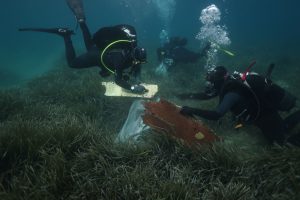
Volunteers collected the debris and carefully sealed it in trash bags before surfacing — an effort that may seem small but is part of a larger, vital mission
The early results of a first-of-its-kind analysis of Greece’s vipers pave the way for an antivenom that could become a valuable export product.
A Greek prosecutor has ordered the removal of wolves from Mt. Parnitha on the outskirts of Athens to protect its red deer population, sparking controversy.
A Greek trapper and his gang allegedly abducted a businessman’s son, demanding ransom- authorities say something doesn't add up.
Authorities hope these reforms will bring Greece’s healthcare system closer to EU best practices.
A reported one in four adolescents aged 15-19 years in Greece lives with a mental health condition.
The Phoenicians first emerged around 3,000 years ago in the Levant — encompassing modern-day Lebanon, Syria, and Israel
The last major Cascadia quake, in 1700, caused a six-foot sea level jump and triggered a tsunami that reached Japan
A new study links plastic chemicals to heart disease deaths, along with the previously associated risks of cancer, obesity, and diabetes
Up to 40% of kids’ daily calories in Greece come from low-nutrient, ultra-processed foods—making the country a European leader in childhood obesity.
Though the findings have generated excitement across the scientific community, researchers caution against premature conclusions.
350-kg deep-sea giant offers clues into one of the ocean’s most elusive species
Fertility donations pose complicated questions about anonymity, consent, identity, and kinship.
Details continue to emerge about the bombing, while questions over the lack of security at the offices perplex.
Images of the "pink moon", as seen at some of the world's most well-known landmarks and cities, could be seen on social media Sunday morning.
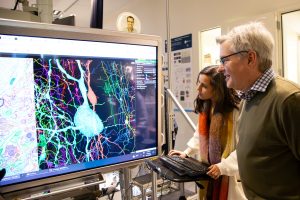
The research centered on a tissue fragment no larger than a grain of sand, encompassing more than 200,000 cells, including approximately 84,000 neurons, and about 524 million synapses.
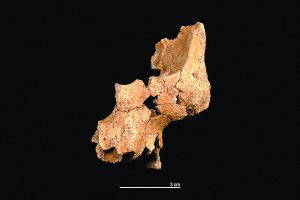
The researchers have temporarily named it Homo affinis erectus, recognizing similarities with Homo erectus, an early human ancestor that emerged in Africa around 2 million years ago.
As NASA continues refining its Commercial Crew Program, the experiences of Wilmore and Williams will provide critical insights for future missions, ensuring greater reliability and safety in human spaceflight.
According to the research team, the risk of a tsunami is not solely linked to recent seismic activity but represents an ongoing hazard for the area
In an exclusive interview with TO BHMA, Dr. Piotr Kramarz shares his expertise on pandemic threats, lessons from COVID-19, and the global health landscape under Trump